Corpus Et Spiritus - QA Pass (PC)
🧾 Test Overview
- Platform: PC
- Focus Areas: Card resolution, input handling, card lifecycle clarity, and system stability under rapid interaction
- Purpose: Check input reliability and whether card behaviour and state changes remain clear and consistent during active gameplay
Introduction
This is a focused QA pass on Corpus Et Spiritus, tested on PC using build 2026.03.27.1.
The goal was to check input reliability and whether card behaviour and state changes remain clear during gameplay, especially under rapid interaction.
Testing focused on:
- Card resolution
- Input handling (click vs drag interaction)
- Card lifecycle clarity (playable vs recyclable states)
- Stability during rapid and repeated inputs
Findings are based on direct testing and supported by reproducible behaviour and evidence.
| Game | Platform | Scope |
|---|---|---|
| Corpus Et Spiritus | PC, build 2026.03.27.1 | Targeted QA pass focused on card resolution, input handling, card lifecycle clarity, and system stability under rapid gameplay interaction. |
🎯 Goal
Validate whether card interactions remain stable under sequential, rapid, and mixed inputs, and identify whether any interaction patterns cause inconsistent card activation or loss of player control.
🧭 Focus Areas
- Card resolution and state integrity
- Click vs drag input behaviour
- Rapid and repeated interaction pressure
- Card lifecycle clarity
- Player understanding of playable vs recyclable states
📄 Deliverables
- QA workbook with README, charters, session notes, bug log, risk matrix, and STAR summary
- One-line findings summary for quick review
- Bug log with reproducible steps and evidence link
- Player experience notes covering clarity and input friction
📊 Metrics
| Metric | Value |
|---|---|
| Total Sessions Logged | 2 |
| Total Bugs Logged | 1 |
| Critical | 0 |
| High | 0 |
| Medium | 1 |
| Low | 0 |
| Primary Risk Area | Input reliability and card lifecycle clarity under rapid interaction |
| Repro Rate | Intermittent, occurs under rapid repeated input |
📷 Evidence & Media
These artefacts support the project findings and provide traceability from testing to outcomes:
- QA workbook containing session notes, risk matrix, bug log, STAR summary, and player experience notes
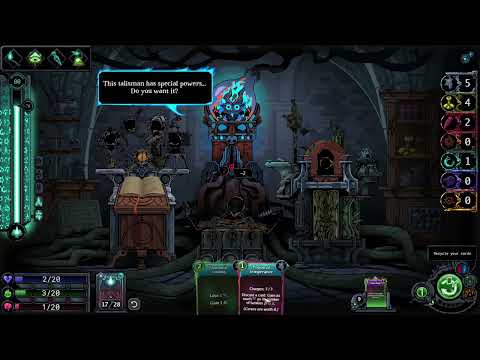
- Short gameplay clip showing B001 input instability during card interaction
- Linked evidence within the workbook supporting the logged bug and clarity findings
| Type | File / Link |
|---|---|
| QA Workbook (Google Sheets) | Open Workbook |
| QA Workbook (PDF Export) | Open PDF |
📌 Core Project Findings
| Area | Finding | Evidence |
|---|---|---|
| Card Resolution & State Integrity | Card execution is stable under sequential and rapid play with no state breaks or unresolved actions. | S001 session results |
| Input Handling: Click vs Drag | Rapid clicking introduces input instability, causing failed triggers and unintended multi-card activation on subsequent drag. | B001 clip |
| Card Lifecycle Clarity | Card state transitions, especially playable vs recyclable states, are not clearly communicated, reducing player understanding despite consistent behaviour. | S001 and S002 observations |
🐞 Bug Logged
| ID | Title | Severity | Repro | Evidence Clip |
|---|---|---|---|---|
| B001 | Rapid clicking causes input instability and inconsistent card activation on subsequent drag | Medium | Intermittent, occurs under rapid repeated input |
|
Full bug log with repro steps, expected vs actual, and evidence: Download Bug Log (PDF)
This was logged as an input handling issue. Rapid clicking causes cards to vibrate and not trigger. Subsequent drag interactions may fail or trigger multiple cards unexpectedly, suggesting conflicting input states between click and drag behaviour.
🧠 Player Experience Notes
| Moment | Player Expectation | Actual Experience | Friction Type | Impact | Severity |
|---|---|---|---|---|---|
| Onboarding / Tutorial Visibility | Tutorial should be clearly surfaced and positioned as the starting point for new players. | Tutorial exists but is not clearly presented as the required or recommended starting step. Player can enter gameplay without understanding core systems. | Discoverability | Players may skip the tutorial and enter gameplay without sufficient understanding, leading to confusion and poor first impressions. | Medium-High |
| Core Objective Clarity | Game should communicate a clear goal, win condition, or progression direction. | Core mechanics are explained, but the overall purpose of gameplay and player objective is unclear. | Comprehension | Player may engage with systems without understanding purpose, reducing motivation and decision quality. | Medium |
| Card Availability / Lifecycle | Card availability state should be clearly communicated and understandable to the player. | Cards become greyed out and only recyclable without clear explanation of the condition or trigger causing the state change. | Comprehension | Player cannot understand why cards become unusable, reducing predictability and decision-making. | Medium |
| Rapid Interaction | Inputs should trigger consistently, and each interaction should only activate the selected card. | Rapid clicking causes cards to fail to trigger. Subsequent drag interactions may fail or activate multiple cards unexpectedly. | Responsiveness | Reduces player trust in input reliability and makes fast interactions feel inconsistent or uncontrollable. | Medium |
📈 Results
- Completed 2 focused QA sessions on Corpus Et Spiritus.
- Logged 1 medium-severity input handling bug with supporting video evidence.
- Confirmed card resolution remained stable during sequential and rapid play.
- Identified card lifecycle clarity as a player-facing weakness.
- Confirmed no performance degradation, state desync, or permanent loss of control during tested conditions.
🔍 Key Points for the Developer
- Card behaviour is stable, but states are not clearly communicated. Card resolution works consistently, but it is not always clear which cards are playable, recyclable, or inactive.
- Rapid input exposes interaction conflicts. Repeated clicking creates a conflict between click and drag states, causing cards to fail to trigger or behave unexpectedly.
- Input reliability drops under pressure. The system works in normal play, but breaks down during fast interaction, which is likely in real gameplay.
- Card lifecycle clarity needs improvement. The transition between card states is not clearly shown, reducing player confidence in decision-making.
- This area should be rechecked after updates. Changes to input handling or card behaviour should be tested under rapid interaction conditions.
🔚 QA Summary & Next Steps
Card resolution is stable under normal and sequential play. No state breaks, unresolved actions, or permanent loss of control were observed during standard interaction.
The main issue is input handling under rapid interaction. Repeated clicking causes cards to vibrate, fail to trigger, or behave inconsistently. Drag interactions can also fail or activate multiple cards unexpectedly.
Clarity is also a problem. Card states, especially playable versus recyclable behaviour, are not clearly communicated, making it harder to predict outcomes during decision-making.
Recommended next steps:
- Fix interaction conflicts between click and drag inputs.
- Improve input reliability under rapid interaction.
- Clarify card lifecycle states and transitions.
- Re-test input handling after updates, especially under high input pressure.
Need Someone to Test Your Game?
If you have a demo, early build, or update that needs testing, message me on Discord or email with your platform, build, and what you’d like checked.
📎 Disclaimer
This is a personal, non-commercial portfolio for educational and recruitment purposes. I’m not affiliated with or endorsed by any game studios or publishers. All trademarks, logos, and game assets are the property of their respective owners. Any screenshots or short clips are included solely to document testing outcomes. If anything here needs to be removed or credited differently, please contact me and I’ll update it promptly.